Brampton Deep Cleaning Experts
You must have regular cleaning based upon risk factors, operational volume, food allergen presence, and health inspections, combined with documented records demonstrating HACCP compliance, inspection results, and government health requirements. The information below describe essential sanitation program components.
Key Takeaways
- Brampton's sanitation specialists maintain restaurants, grocery departments, commissaries, warehouses, bakeries, schools, mobile vendors, and allergen-sensitive operations.
- Sectional methods clean frequently contacted areas, food-contact equipment, kitchens, floors, drains, restrooms, and storage areas for eliminating cross-contamination.
- Proper chemical concentration, suitability, and exposure duration are validated by certified providers, with completion documented via tests, assessments, and correction logs.
- Hazard, throughput, format changes, accidents, and requirements should guide hygiene plans, with regular, periodic, and seasonal operations allocated by location.
- Pick providers with hazard analysis knowledge, sanitation, knowledge, safety training, training, liability, references, color-categorized tools, and compliance-ready sanitation paperwork.
Brampton Establishments That Need Food Safety Cleaning: Which Ones?
Brampton establishments that deal with, maintain, prepare, package, or provide food require food safety cleaning. Implement it if your business is subject to health department oversight, food standards, or HACCP systems. The obligation covers dining establishments, employee cafes, food distributors, market sections, meat shops, fish counters, local shops, and commercial kitchens.
Documented food sanitation is additionally essential in warehouses, food manufacturing plants, cold storage sites, retail bakeries, school nutrition programs, banquet halls, and meal delivery hubs. Portable and seasonal operations are included, including food trucks, event vendors, and temporary stalls. Your facility must have established hygiene procedures when your staff handle raw materials, divide prepared foods, warm meals, or maintain allergen storage. In Brampton, hygiene continues to be not optional; it constitutes regulatory, business, and safety requirements.
What Do Brampton Cleaning Professionals Handle?
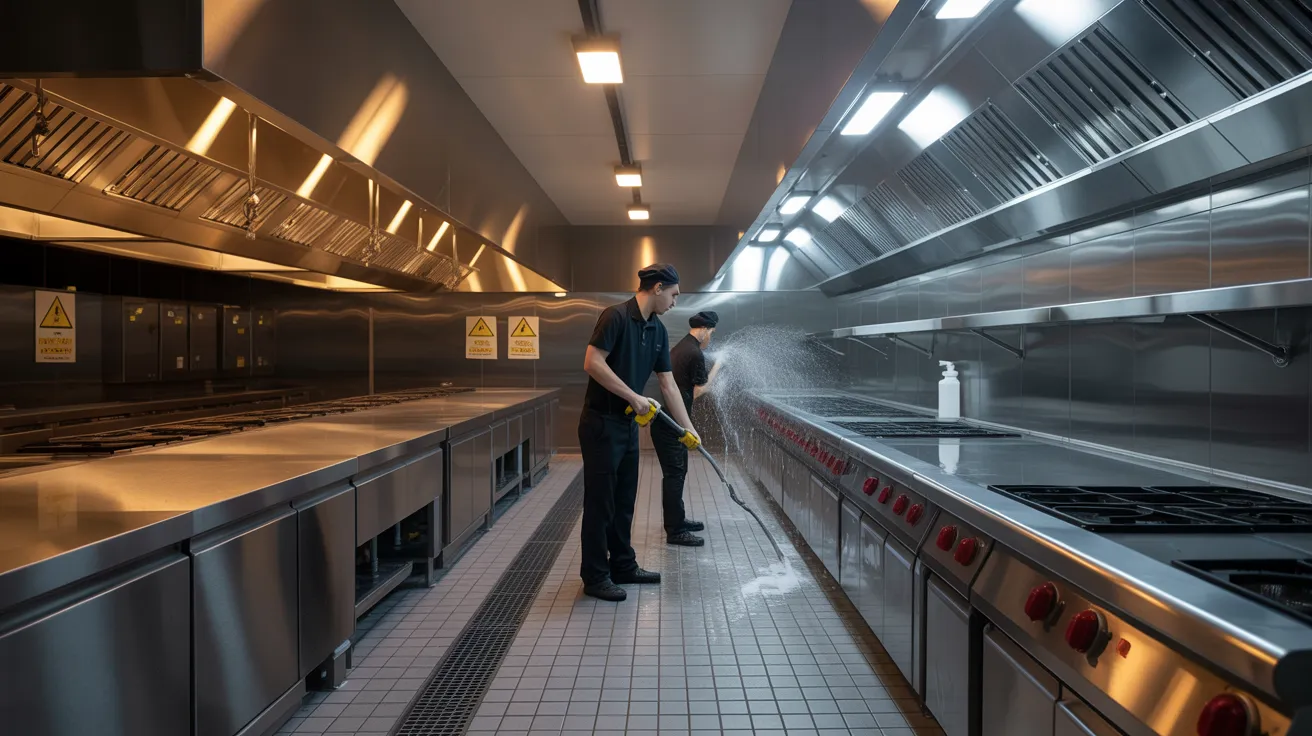
You need skilled cleaning experts who sanitize frequently touched areas, cooking areas, floor areas, and bathrooms to maintain food safety and public health requirements. These areas are targeted due to their high cross-contamination potential, falling hazards, and health code violations.
When you know their cleaning scope, you can ensure your operation's cleaning procedures satisfy operational and regulatory requirements.
Sanitizing High-Touch Areas
develop a sterilization protocol
following sequential processes, and organizing sanitization equipment according to location
Food Prep Areas, Flooring, and Sanitary Facilities
Brampton cleaning services zero in on kitchens, floors, and restrooms as each zone presents different sanitation, slip-and-fall, and wellness risks. In industrial kitchens, you need degreasing on cook lines, equipment exteriors, drains, prep surfaces, and splash zones to reduce contamination and pest pressure.
Floor care that is documented should also be anticipated. Technicians scrub and extract buildup from tile grout, ceramic surfaces, and vinyl floors, then apply appropriate drying controls so you can limit falls and meet regulatory standards. They also handle entry points where dampness and dirt enter the building.
Restroom sanitation requires disinfecting touchpoints, fixtures, partitions, dispensers, and waste containers, replacing items and managing smells. They also maintain restaurant cleaning supply rooms where product storage, sink cleanliness, and drain systems impact daily sanitation standards and worker protection.
Food Safety Cleaning Significance for Brampton Businesses
In Brampton, you must maintain sanitary cleaning practices to meet health code requirements and pass inspections. You also minimize bacterial spread through proper cleaning of food-preparation surfaces, appliances, and frequently-touched items. Most importantly, you help protect public health by lowering the risk of foodborne illness in your facility.
Food Safety Regulations
Food companies in Brampton face mandatory safety protocols, making food safety cleaning crucial to satisfying health code requirements, defending patrons, and preventing enforcement action. You must maintain clean food preparation areas, verifiable cleaning logs, safe chemical management, and traceable training practices that align with municipal and provincial inspection expectations.
When inspectors examine your operation, they determine whether your sanitation system supports secure product handling, machinery hygiene, trash control, and facility cleanliness.
Cross-Contamination Control
Meeting regulatory requirements also depends on your capacity to stop cross-contamination during routine food preparation and sanitation. You must separate raw ingredients from ready-to-eat foods, clean work areas after each use, and store chemicals away from food-contact items. Clear procedures reduce transfer risks and ensure ongoing adherence to health checks.
Building allergen isolation prevents priority allergens from contacting shared surfaces, containers, or equipment. Utilize dedicated cutting boards, color-coded tools, and precise instrument labeling so team members won't blend products during preparation or service.Mandate hand cleaning following uncooked meats, shellfish, egg items, or allergen substances. Refresh cleaning cloths frequently, and confirm disinfectant efficacy using test strips. When your team follows these practices each shift, you foster a cleaner, more secure operation that meets Brampton's food safety expectations daily.
Public Wellness Defense
If food safety cleaning declines, you don't merely risk a failed inspection—you boost the probability of foodborne illness harming customers, staff, and the broader Brampton region. You also weaken your role in safeguarding community wellness, especially in high-traffic food premises where pathogens travel quickly through surfaces, equipment, and touchpoints.
You need cleaning protocols that remove soils, sanitize correctly, and verify results. That means following contact times, employing authorized sanitizers, documenting schedules, and educating employees to meet regulatory standards. These controls support pathogen reduction by lowering microbial loads before they reach food or hands. In Brampton, rigorous cleaning shields at-risk groups, limits outbreak potential, and enables you to show due diligence. When you clean to standard, you don't just meet regulations—you actively reduce risk and promote secure food handling throughout the region.
Why Is Cleaning Essential for Food Safety Compliance?
Following thorough cleaning protocols backs food safety compliance by decreasing contamination threats, preventing pathogen multiplication, and keeping your facility aligned with sanitation requirements under HACCP-based programs and public health regulations. You validate that food-contact surfaces appear visibly clean and microbiologically controlled, facilitating documented preventive controls and inspection readiness.
Strategic cleaning practices also improve allergen mitigation by removing residues that can provoke undeclared allergen exposure.
What's the Ideal Time to Arrange Commercial Cleaning?
Routines for cleaning perform best when created based on risk assessment, output volume, and compliance standards instead of just a predetermined calendar.
facility shutdowns, seasonal soil buildup, or times of elevated pest concerns. If your facility hosts promotional occasions, catering functions, or public functions, plan cleaning right prior to and following for effective event turnaround
Selecting the Right Brampton Cleaning Experts: Key Considerations
Start by screening providers against food-safe sanitation requirements, not price alone. You should verify that each company understands CFIA, public health, and HACCP-aligned expectations relevant to your facility. Ask for proof of insurance, WHMIS compliance, documented staff training, and supervision practices. Review whether technicians understand contamination prevention, chemical handling, and traceable sanitation records.
You should also assess business dependability and accountability. Request references from food facilities in Brampton, then examine response times, corrective-action procedures, and communication standards. Confirm the company supports supplier audits and can present inspection-ready documentation when regulators or third parties request evidence. Check whether equipment maintenance is performed, colour-coded tools are used appropriately, and facility-specific risks are recognized. A qualified provider protects regulatory adherence, product integrity, and your brand reputation.
What aspects should a Food Safety Cleaning Plan include?
Create a documented strategy that clarifies every sanitation responsibility, standard, and task before production begins. You should detail cleaning schedules, authorized chemicals, concentration levels, contact duration, implements, and validation techniques for each zone, surface, and piece of equipment. Include pre-operational inspections, corrective actions, and employee training requirements.
Your plan should also include cross-contamination prevention, waste disposal, pest management measures, and scheduled documentation for restrooms, drains, floors, and food-contact areas. Specify how you'll separate raw and ready-to-eat processes, support ingredient tracking, and copyright accurate allergen labeling through validated cleaning between product changes. You should define accountability, preserve signed records, and check results against regulatory standards, HACCP controls, and customer requirements. When gaps appear, revise procedures immediately and re-educate staff.
Regular Asked Questions
Will cleaning services handle overnight shifts at Brampton facilities?
If you manage controlled environments, you'll also need documentation that enable inspections and maintain assurance.
Can sanitation professionals manage emergency spill response?
Yes, you can locate several Brampton cleaning professionals offering spill containment options. They handle contamination, assess dangers, isolate zones, and perform swift decontamination to minimize risk and limit operational impact. You should verify response times, certifications, safety measures, and procedures. If your facility must meet standards, choose a service that documents incidents, follows procedures, and ensures verification.
Will plant-based disinfectants clean safely food preparation areas?
Absolutely, natural disinfectants prove to be secure for surfaces contacting food when you pick items marked food-safe and satisfying regulatory requirements. You must check contact duration, dilution rates, and rinse procedures prior to application. Plant-derived products decrease harsh chemical exposure, though you should gather proof of efficacy against target microorganisms. For maintaining residue free surfaces, stick to exact manufacturer guidelines and validate your disinfectant meets relevant food safety standards.
Can sanitation programs change with seasonal variations?
Yes, you can customize cleaning plans for seasonal variations. You should adapt schedules, staff levels, cleaning agents, and verification steps to match production rhythms while sustaining regulatory compliance. You'll lower operational delays by planning sanitation around production shifts, maximum output, and equipment use patterns. You should further modify standard operating procedures, instruction programs, and monitoring protocols to address transient threats, new allergens, or elevated soil levels. Continuous reviews ensure your plan functional.
Do professional cleaners coach staff members in proper hygiene techniques?
Indeed, professional cleaners typically provide staff training on sanitation best practices. Your staff receives training on safe chemical application, contact times, cross-contamination prevention, equipment disassembly, and record-keeping. They generally adhere to instruction with HACCP, GMP, and CFIA or regional health standards criteria. Many also execute sanitation audits to verify compliance, identify gaps, and strengthen improvement measures. This assists you to maintain consistent procedures, achieve compliance, and reduce food safety risks each day.
Conclusion
Through engaging Brampton food safety and commercial cleaning specialists, you do far more than tidy—you ensure your facility for inspections and your procedures stay aligned with regulations. From kitchen spaces to processing areas, all maintained surfaces and kept corners help prevent pest problems and prevent significant costs. Through booking service at proper intervals and sticking to a solid cleaning plan, you safeguard your team, your patrons, and your good name. In a tightly controlled regulatory landscape, clean conditions cannot be considered optional—they represent material good business practice.